French blood service says hackers tried to overheat plasma storage at three sites; no products lost
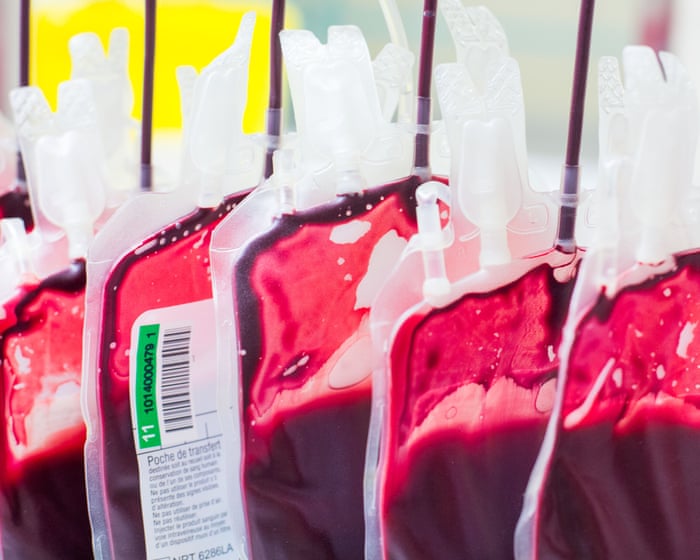 Photo: The Guardian
France's national blood service, the EFS, said hackers raised temperature and defrosting thresholds to extremely high levels at three plasma cold-storage sites on Monday, but staff intervened before any blood products or samples were compromised. The EFS said monitoring and alarm systems caught the problem quickly. The plasma bags, meant for transfusions and for making medicines, were transferred or secured, and it identified no health impact. Le Canard Enchaîné, which first reported the attack, said it tried to push temperatures from minus 30C to as high as 110C, and that it hit a refrigeration equipment supplier. The EFS serves more than 1,900 hospitals and supports over a million patients a year. The incident follows attacks that drove supermarket fridge and freezer temperatures up to 50C in almost a dozen European countries, spoiling food worth millions. Last month, hackers seized cooling units in as many as 700 French supermarkets.
Left-leaning CBS News and The Guardian treat the blood bank attack as an escalation of the freezer hacks. They list the affected supermarkets by country, including Italy, Germany, Romania and the UK, and cite the cost of spoiled food. CBS adds the Le Canard Enchaîné temperature details and wider concerns about vulnerable infrastructure and internet-connected "smart" devices. The Guardian stresses the EFS's national role and scale. The right-leaning Washington Times, in the material available, ran the AP wire report under a headline stressing that no blood products were compromised. It leads with the thwarted attack and French authorities' account, without the broader Europe-wide context. The two sides agree on the core facts: the three sites, the extreme temperature targets and the successful intervention. They differ mainly in emphasis, with the left widening the frame and the right keeping to the outcome. The BBC, among alternative sources, stands apart by examining possible culprits, including Russian hacktivist groups' claims about Danfoss, analysts' doubts, and honeypot research by security firms.
How the sides differ Left sources link the blood bank attack to wider Europe-wide freezer hacks and infrastructure risk; right sources stress the thwarted outcome; alternative BBC focuses on who the culprits might be.
Headline, comparison and summary written by AI from the articles below. AI can make mistakes, so check the original articles before relying on a detail.
CBS News and The Guardian lead with the EFS's account of the thwarted attack, then place it within the wave of European supermarket freezer hacks, citing figures and infrastructure-security concerns.
The BBC adds an angle the others lack: speculation about culprits, including Russian hacktivist claims, analysts' doubts, and security firms' honeypot experiments, alongside the EFS statement. AP carries the wire version.
- Washington TimesPaywallCyberattack hits French blood bank site but no blood products are compromised
The Washington Times runs the AP report, leading with French authorities saying the attack on several blood banks was thwarted and no blood products or samples were damaged.