Prime Video Launches Blade Runner 2099 Miniseries, Set After a Replicant Uprising
Prime Video has released “Blade Runner 2099,” a new miniseries that brings the Blade Runner franchise to television. Created by Silka Luisa, the show premiered this month and is set in the same world as the 1982 film and the 2017 sequel.
How the sides differ Slate examines the show's reversal of human and replicant power; Den of Geek covers the score; /Film praises the visuals; the New York Post recaps episode 3.
Left SlateA Beloved Sci-Fi Franchise Has a New TV Sequel. Surprisingly, It Works.how they cover it
Slate analyzes the series through the franchise's theme of policing human and replicant boundaries, highlighting how the new show reverses the power dynamic.
Independent · 2 sources Den of GeekBlade Runner 2099 Composer On Scoring a World Run by Replicants1 more source · how they cover it
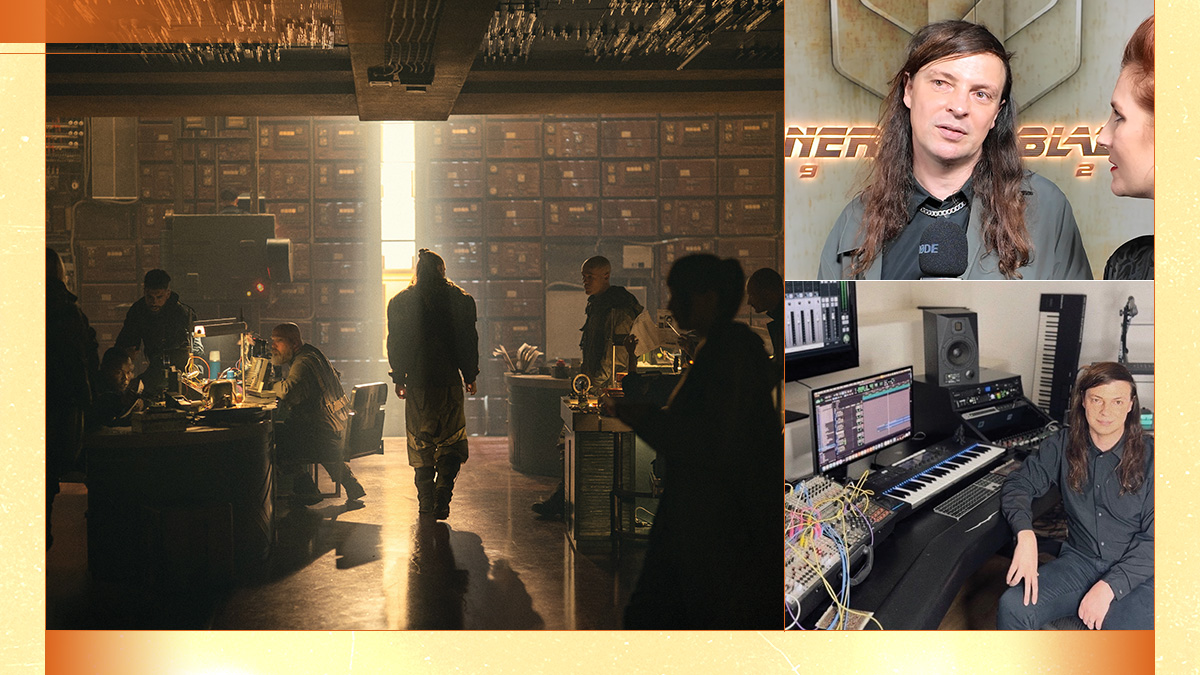
Den of Geek interviews composer Leopold Ross about scoring the series and Vangelis's influence. /Film praises the visual world and calls the franchise remarkably consistent.
Right New York Post‘Blade Runner 2099’ Episode 3 recap: Her brother’s keeperhow they cover it
The New York Post runs an episode 3 recap. Its text includes no plot detail and mostly lists other entertainment stories.
Prime Video has released “Blade Runner 2099,” a new miniseries that brings the Blade Runner franchise to television. Created by Silka Luisa, the show premiered this month and is set in the same world as the 1982 film and the 2017 sequel. It reverses the franchise's central dynamic. After a replicant uprising, the humanoids now have the upper hand over humans. Leopold Ross composes the score. The series has already reached its third episode.
Ridley Scott's 1982 Blade Runner, based on Philip K. Dick's novel “Do Androids Dream of Electric Sheep?”, followed Rick Deckard (Harrison Ford), who hunted four rogue replicants. Denis Villeneuve's 2017 “Blade Runner 2049” starred Ryan Gosling as K, a replicant who works as a blade runner and hunts other replicants. Humans act none too admirably in both films. Vangelis scored the original using a Yamaha CS-80 synthesizer. Ross says he and Luisa wanted music that carries that spirit forward without copying it.
Slate focuses on theme. It describes the franchise as a story about violent policing of the line between humans and replicants, and it stresses how the new series flips that arrangement. /Film focuses on look and legacy instead. It praises the series as another vivid industrial cityscape and calls the franchise the most consistent on-screen sci-fi saga. Den of Geek takes a different route and interviews Ross about his process, the uncanny valley sounds and the loneliness he wanted at the center of the score. The New York Post offers a recap of episode 3. Its text includes no plot detail and mostly lists other entertainment stories. The outlets do not contradict one another. Slate and /Film are positive, and all four treat the series as a continuation of the earlier films.
Headline, comparison and summary written by AI from the articles below. AI can make mistakes, so check the original articles before relying on a detail.
How we sort sources into left, independent and right →
Which coverage felt most fair?
One tap. No account needed.