Sanrio Ends Tie-Up With Japanese Spy Drama 'Vivant' After Criticism From Chinese State Media
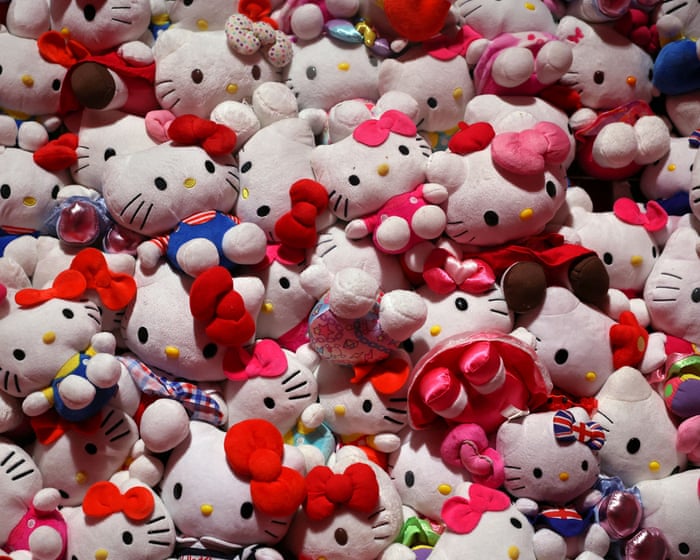 Photo: The Guardian
Sanrio, the Japanese company behind Hello Kitty and Kuromi, said on Thursday it was ending its commercial collaboration with the Japanese TV spy drama Vivant after Chinese state media and social media users condemned the show. In a post on the Chinese platform Weibo, the company apologised and said the series contained elements inconsistent with its core values. Vivant, produced by the Japanese network TBS, stars Masato Sakai in its second season as a salaryman drawn into international crime and espionage. Chinese state media objected to scenes in which Chinese agents use violence to torture members of a secret unit of Japan's self-defence forces. The state-run Global Times said the acts resembled torture inflicted on Chinese people by Japanese troops in the second world war and accused the show of distorting the truth. It also said Sanrio's characters were being used to spread messaging tied to Japan's right-wing forces. The show's creators have said the drama is completely fictional. The episode came days after French footballer Kylian Mbappé apologised to the Chinese people and lost sponsorships over remarks about Mao Zedong.
Breitbart, the right-leaning outlet, leads with a combative headline saying China has declared war on Hello Kitty. It stresses the Communist Party's condemnation, quotes the Global Times on "right-wing forces" and an "anti-China narrative", and ties the story to the Mbappé case as part of Beijing's transnational censorship of pop culture, using strongly critical language about Mao and the party. The Guardian, on the left, uses a more restrained headline and leads with Sanrio's apology and Weibo statement. It spells out the show's plot and the Chinese media's comparison to wartime torture, with Global Times quotes on distortion. The New York Times focuses on the show's creators defending it as fictional. Both sides report the Sanrio exit and the Global Times criticism. They differ in that the right casts it as censorship and omits the wartime-torture comparison in the text provided, while the left gives the show's content and Chinese objections more space. Reuters, the alternative outlet, notes only the wider pressure on foreign firms and celebrities.
How the sides differ Right sources frame it as Chinese censorship alongside the Mbappé case; left sources stress Chinese state media's torture complaints and the creators' 'fictional' defense; alternative sources note the pattern for foreign firms.
Headline, comparison and summary written by AI from the articles below. AI can make mistakes, so check the original articles before relying on a detail.
- The New York TimesPaywallHow the Japanese Spy Drama ‘Vivant’ Became The Target of China’s Anger
The Guardian leads with Sanrio's apology and Weibo statement, detailing the plot and Chinese state media's wartime-torture comparison; The New York Times highlights Beijing's anger and the creators calling the show fictional.
Reuters reports Sanrio cancelled the collaboration after a China backlash, presenting it as the second incident in days showing the tightrope foreign firms and celebrities walk.
Breitbart says China 'declared war' on Hello Kitty, quoting Global Times on 'right-wing forces' and linking the case to Beijing's pressure on Kylian Mbappé as transnational censorship.