Israelis Vote in Tight Election, First Since Oct. 7 Attack, as Expatriates Fly Home to Cast Ballots
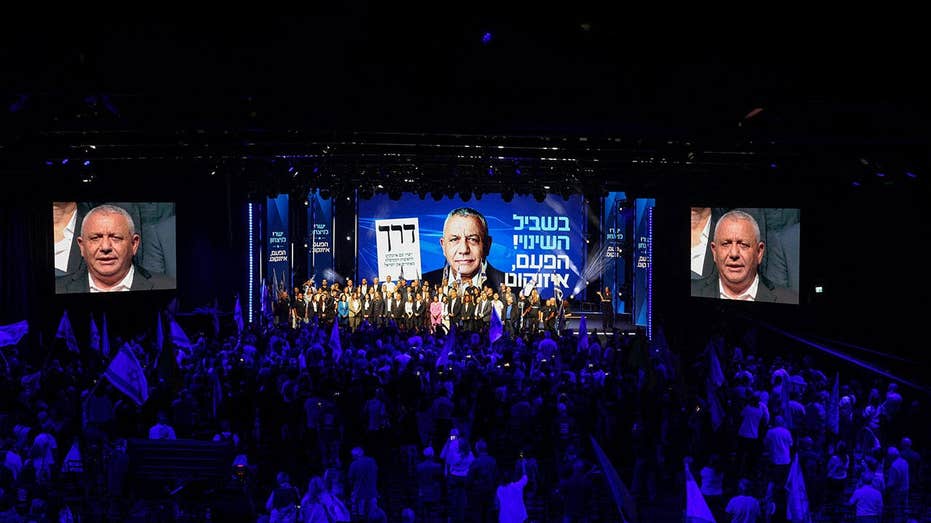 Photo: Fox News
Israelis voted Tuesday in a tightly contested parliamentary election, the first since the Hamas attack of Oct. 7, 2023 and the wars in Gaza, Lebanon and Iran that followed, with Prime Minister Benjamin Netanyahu fighting to stay in power. The race could end in another political deadlock. Israel has no absentee voting, so tens of thousands of citizens abroad flew home; the U.S.-based nonprofit AID Coalition estimated as many as 67,000, about half from the United States and the rest from Europe, Canada, Australia and New Zealand. Ronnie Teram Gil-Ad paid about $3,000 to spend 36 hours in Israel. Netanyahu has resisted calls to accept personal responsibility for the security failures and to create an independent state commission of inquiry. His government instead sought a politically appointed investigation, which many bereaved families fiercely opposed. Analysts cited by Semafor said the result is unlikely to significantly change Israel's security or foreign policy, though the tone could shift.
Left-leaning MS NOW frames the vote as a test of Netanyahu's leadership since Oct. 7, stressing the pain and recriminations. CBS News centers on expatriate voters: Gil-Ad, Yael Natra, who cited an eroding democracy and a divided society, and the AID Coalition's 67,000 estimate. Its excerpt says little about Netanyahu's record. Right-leaning Fox News, writing from Tel Aviv, calls the election a referendum on accountability for the Oct. 7 failures. It highlights Netanyahu's resistance to an independent commission, the bereaved families' opposition, former military chief Gadi Eisenkot, commentator Gadi Taub, and Trump's statement that Netanyahu must win or the U.S. will have to "finish the job" against Iran alone. Both sides treat Oct. 7 as the backdrop and the race as close. They differ on voices: ordinary voters and democracy concerns on the left, security and accountability on the right. Alternative outlets add analyst views and the EU sanctions angle.
How the sides differ Left sources emphasize Netanyahu's post-Oct. 7 leadership test and democracy-minded expatriate voters; right sources stress accountability for security failures, a commission-of-inquiry dispute and Trump's Iran comments.
Headline, comparison and summary written by AI from the articles below. AI can make mistakes, so check the original articles before relying on a detail.
- Christian Science MonitorIsraelis abroad flock home for ‘most important election we’ve ever had’