Sanrio Ends Tie-Up With Japanese Spy Drama 'Vivant' After Criticism From Chinese State Media
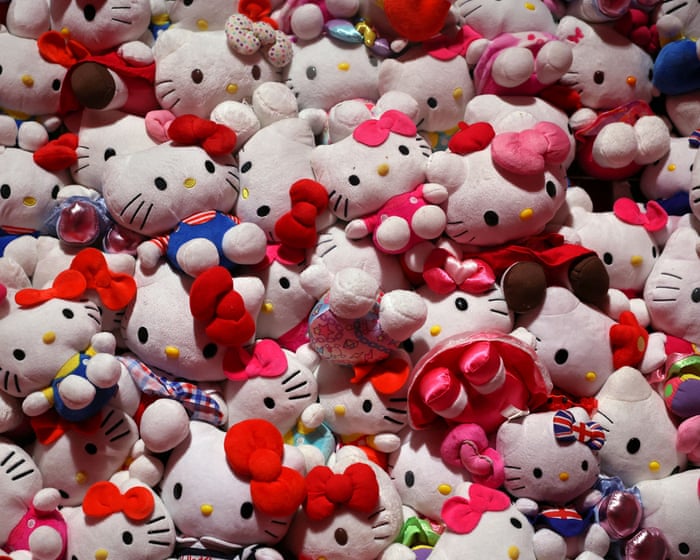 Photo: The Guardian
Sanrio, the Japanese company behind Hello Kitty and Kuromi, said on Thursday that it was ending its collaboration with the Japanese TV drama Vivant after Chinese state media and social media users attacked the show. In a post on the Chinese platform Weibo, the company said it had concluded the series contained elements inconsistent with its core values, and it apologized. The South China Morning Post reported that Sanrio suspended current and future collaborations.
Vivant, produced by Japan's TBS network, follows a salaryman, played by Masato Sakai in the second season, who is drawn into international crime and espionage. Scenes in that season show Chinese-linked agents torturing members of a secret Japanese self-defence forces unit. Chinese state media called this a deliberate smear. The Global Times said the acts resembled torture inflicted on Chinese people by Japanese troops in the second world war and wrongly attributed such atrocities to modern Chinese characters. Chinese state broadcasting also called the show "cognitive poisoning." The show's creators have said it is completely fictional.
The left-leaning Guardian and New York Times focus on the show and the dispute. The Guardian leads with Sanrio's apology and cites the Global Times and the wartime comparison. The Times headline presents Vivant as a target of Beijing's anger and highlights the creators' defense of it as fiction. Breitbart on the right frames the episode as Chinese state censorship, with a headline saying China declared war on Hello Kitty. It stresses that the collaboration did not target Chinese consumers and cites the Global Times claim that Sanrio was spreading Japan's right-wing messaging. It links the case to the French footballer Kylian Mbappé, who it says lost sponsorships and apologized after calling Mao Zedong a dictator. All three agree on the Chinese state media condemnation and Sanrio's withdrawal. They differ on context: the left-leaning outlets stay with the drama, while Breitbart widens to a pattern of Chinese pressure. The South China Morning Post largely matches the basic account.
How the sides differ Left sources stress Chinese state media's torture-scene objections and the show's defense as fiction; right sources frame it as Beijing censorship alongside the Mbappé case; alternative sources stay brief.
Headline, comparison and summary written by AI from the articles below. AI can make mistakes, so check the original articles before relying on a detail.
- The New York TimesPaywallHow the Japanese Spy Drama ‘Vivant’ Became The Target of China’s Anger
The Guardian leads with Sanrio's apology and exit, citing Chinese state media and the Global Times on the torture scenes. The New York Times stresses Beijing's anger and the creators' claim that the show is fictional.
The South China Morning Post briefly reports that Sanrio suspended collaborations after public criticism in China, citing the state broadcaster's 'cognitive poisoning' charge and describing the torture scenes.
Breitbart presents the dispute as Chinese state censorship, quoting the Global Times on 'right-wing forces' and linking it to Kylian Mbappé's apology over comments about Mao Zedong.