Israel's Herzog Urges Coalition Talks as Election Leaves Netanyahu and Opposition Short of Majority
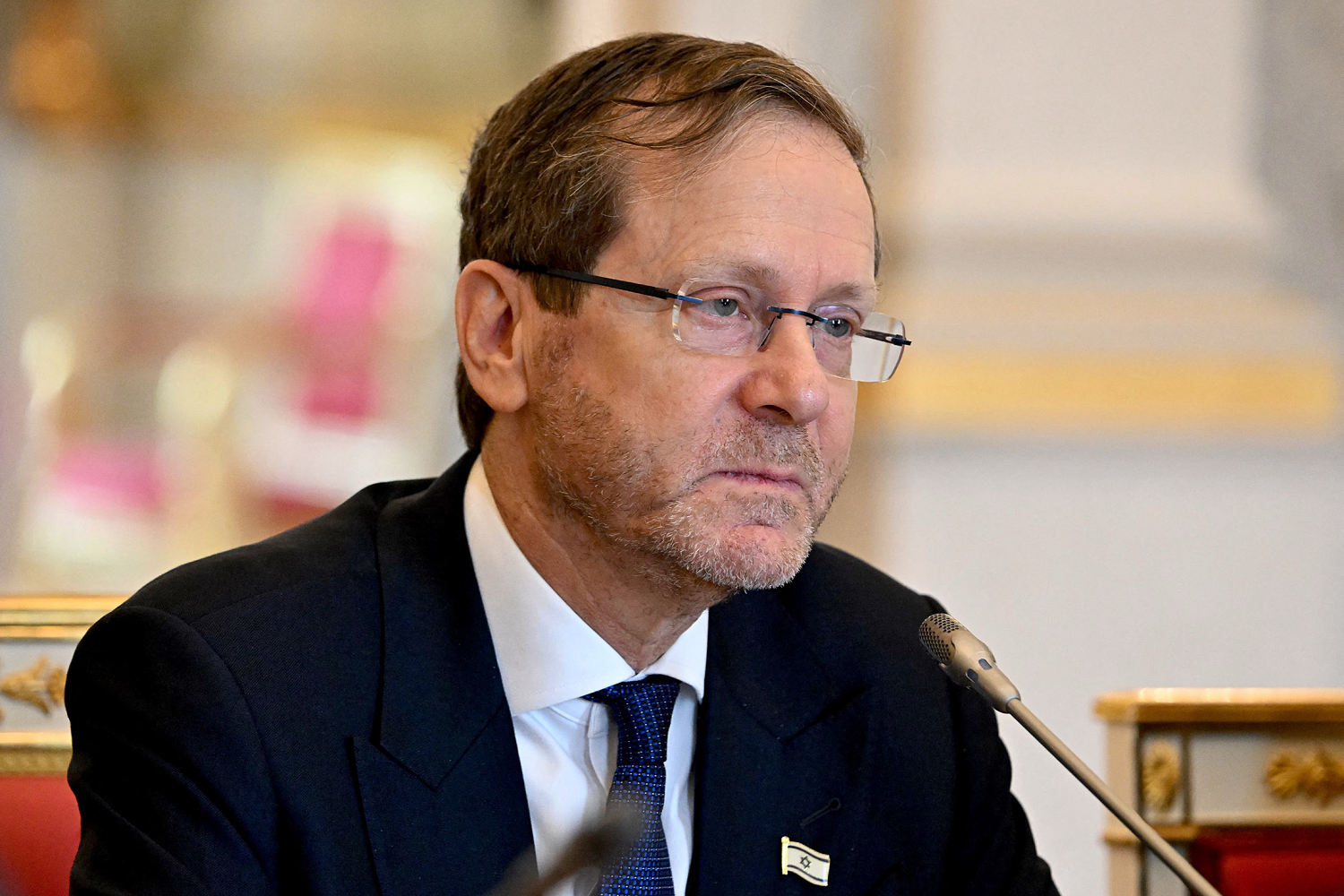 Photo: NBC News
Israeli President Isaac Herzog has urged political parties to enter coalition talks with an open heart after the October 27 election left neither Prime Minister Benjamin Netanyahu's bloc nor the opposition with a majority in the 120-seat Knesset. Parties in Netanyahu's ruling coalition won 53 seats, while the bloc aligned with opposition leader Gadi Eisenkot won 48. Arab parties nearly doubled their representation to a record 19 seats and hold the balance of power, though Netanyahu and Eisenkot both ruled out working with them before the vote. Herzog, a largely ceremonial figure, decides who gets the first chance to form a government and begins consultations with parties on Wednesday. Election results must be certified and given to him by November 4, the new Knesset is to be sworn in November 10, and he must name a candidate by November 11. That candidate has 28 days to build a coalition, with a possible 14-day extension, or Israel could return to the polls. Netanyahu has continued to attack Arab parties over their positions on Gaza and the West Bank. Eisenkot has said he is open to anyone accepting four conditions on Israeli sovereignty and opposition to Hamas. Hundreds rallied in Tel Aviv on Saturday, October 31, urging the opposition to ally with Arab parties.
Left-leaning outlets NBC News and The New York Times center on the Arab parties as kingmakers. NBC leads with Herzog's appeal and the seat arithmetic, then contrasts Netanyahu's attacks with Eisenkot's conditions. The Times headline asks where the Arab parties stand and notes the two Arab-led parties say they want to work with opposition factions to bring down Netanyahu's government. Alternative outlets add different angles: Al Jazeera lays out the legal calendar and options such as a unity or minority government, while The Hindu reports on the Tel Aviv protest, quoting 60-year-old psychologist Ayelet Raz and tying Arab gains to anger over government rhetoric. Right-leaning outlets had not reported this story at the time of writing, while left-leaning and alternative outlets had, focusing on coalition arithmetic, the Arab parties' role and the timetable.
How the sides differ Left sources stress Herzog's appeal and the Arab parties' pivotal role; alternative sources add the legal timeline and protests; right sources have not covered it.
Headline, comparison and summary written by AI from the articles below. AI can make mistakes, so check the original articles before relying on a detail.
- The New York TimesPaywallWhere Do Israel’s Arab Parties Stand?
NBC News leads with Herzog's call for open-hearted talks, the 53-48-19 seat split and the positions of Netanyahu and Eisenkot. The New York Times focuses on the Arab-led parties' stated aim of working with the opposition.
Al Jazeera outlines the post-election timetable and possible governing arrangements. The Hindu covers a Tel Aviv protest urging an opposition alliance with Arab parties, featuring a participant's voice.
Not covering this story. None of the right-leaning outlets Crosswire tracks has reported it yet. What one side leaves out can be as telling as what the others report.