King Charles Begins Caribbean Tour in Bahamas, Acknowledges Slavery's Suffering, Joins Junkanoo Parade
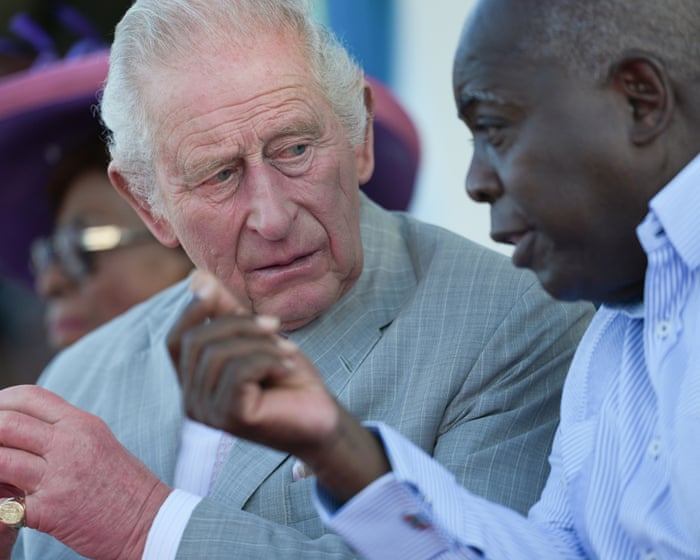 Photo: The Guardian
King Charles III began a nine-day Caribbean tour in the Bahamas this week, acknowledging the "great suffering of the past" in a speech on Tuesday and later joining a Junkanoo street parade in Nassau. He arrived to a ceremonial welcome and attended a youth rally at Clifford Park, where the Bahamas gained independence from Britain in 1973. In his speech, the king said some of the best of Bahamian culture was born out of darkness, and he said leaders at the Commonwealth heads of government meeting (Chogm) would discuss the legacy of slavery next week in Antigua and Barbuda. The tour includes a solo state visit to Guyana and ends with Charles presiding over Chogm. At the parade, he danced and played Bahamian hand bells alongside Prime Minister Philip Davis. Caribbean nations have renewed calls for Britain to apologise for transatlantic slavery and enter reparations talks. The Bahamas National Reparations Committee said the king's remarks fell short of what justice requires.
The Guardian, representing the left, leads with slavery and reparations. It frames the tour around Caribbean demands for an apology and talks, quotes the king's speech at length, and gives space to the reparations committee's rejection of the idea that Bahamian culture was born out of darkness. It treats the parade as peripheral or omits it in the opening. The Daily Mail, on the right, leads with the king dancing, with an exclamation-laden headline about the "Dancing King". It says he put the issue of slavery and reparations to one side, describes him laughing and glancing at his protection officers, and notes his age, 77, and continuing cancer treatment. It explains Junkanoo's roots among enslaved people and its role as a source of cultural pride. Both sides agree on the tour, the Nassau parade and the reparations backdrop; they differ in what they put first and whom they quote. The independent outlets Al Jazeera and BBC News mix both angles, pairing the parade with reparations calls.
How the sides differ Left sources emphasize slavery, reparations and a Bahamian committee's criticism; right sources stress the king's joyful Junkanoo dancing and his health; alternative sources split between both angles.
Headline, comparison and summary written by AI from the articles below. AI can make mistakes, so check the original articles before relying on a detail.
The Guardian leads with the king's pledge to discuss slavery's legacy at Chogm, quoting his speech and the Bahamas National Reparations Committee, which said his words fell short.
Al Jazeera and BBC News pair the Junkanoo parade with the reparations backdrop, noting his acknowledgment of past suffering and that Caribbean leaders are expected to press for reparations.
The Daily Mail leads with the king dancing at the Junkanoo parade, describing his joy, his age and cancer treatment, and says he set slavery and reparations aside for the day.