Moderna and Merck Report Personalized mRNA Vaccine Cut Melanoma Recurrence Risk 42% in Trial
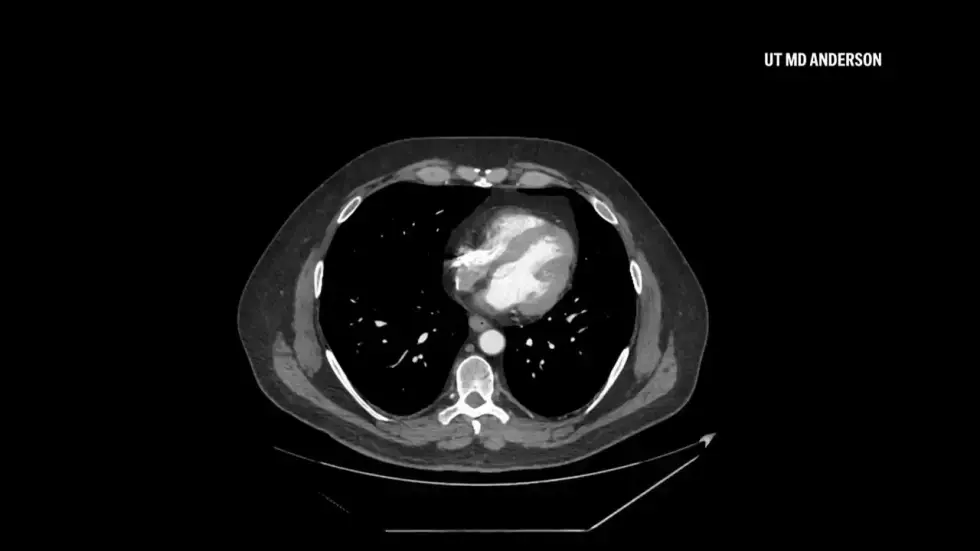 Photo: AP
Drugmakers Moderna and Merck released results Thursday from a major late-stage study showing that a personalized mRNA cancer vaccine, intismeran, significantly reduced the chance that melanoma tumors return. Added to a standard treatment, it cut the risk of recurrence by 42% two years after surgery. The companies said about 82% of patients given the vaccine plus Keytruda were alive without recurrence at two years, versus 70% on Keytruda alone. The vaccine is custom-made for each patient to match their tumor. Dr. Hussein Tawbi of MD Anderson Cancer Center, a trial investigator, called the results a big win. Detailed phase 3 data were to be presented at the European Society for Medical Oncology conference this weekend. Moderna shares fell as much as 25% Thursday after partial data leaked.
Left-leaning outlets tracked by Crosswire had not reported the story at the time of writing, while alternative/independent and right-leaning outlets had. Right-leaning outlets (New York Post, Washington Times) lead with the study result and the first-of-its-kind vaccine, citing Tawbi and outside experts. Alternative outlets agree on the core findings, but CNBC leads with the stock drop after the leak and adds the 38% reduction in spread of cancer and the milder side effects, while AP matches the right-leaning wording.
How the sides differ Right sources stress the study's science and expert praise; alternative sources add the Moderna share plunge after a data leak; left sources have not covered it.
Headline, comparison and summary written by AI from the articles below. AI can make mistakes, so check the original articles before relying on a detail.
Not covering this story. None of the left-leaning outlets Crosswire tracks has reported it yet. What one side leaves out can be as telling as what the others report.
CNBC leads with Moderna's share plunge after leaked data and adds the secondary figures and Tawbi's comments on milder side effects; AP leads with the study results.
- Washington TimesA novel mRNA cancer vaccine helps reduce the chances of melanoma patients' tumors returning
The New York Post and Washington Times lead with the first-of-its-kind vaccine and the 42% reduction. The Post features Tawbi and outside experts, and notes mRNA testing in other cancers.