Paris Imposes Overnight Curfew in Two Areas After France's Worst Rioting in Years
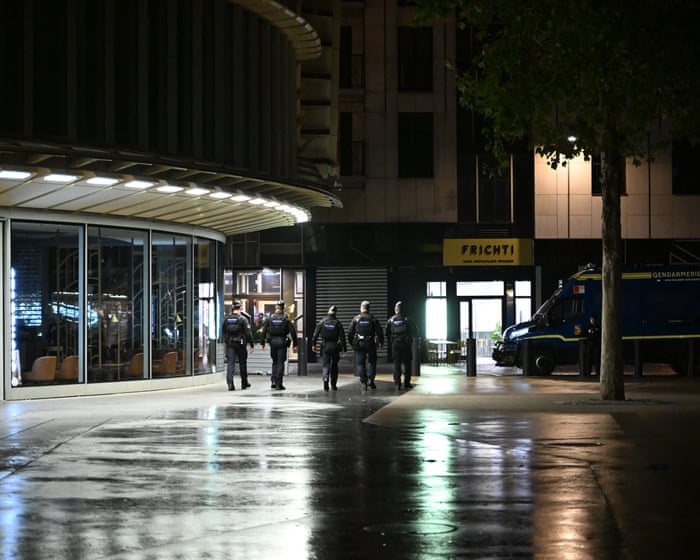 Photo: The Guardian
Paris police imposed overnight curfews on Monday in two areas of the French capital to try to prevent further disorder after what was described as France's worst rioting in years. The weekend unrest targeted city halls, other public buildings and thousands of businesses across the country. About 3,000 businesses were damaged and 2,400 people were arrested nationwide. Police said the order aims to protect people and property. Interior Minister Laurent Nuñez offered to resign over the rioting and looting in major cities, but President Emmanuel Macron asked him to stay.
The three sides share the same headline and do not contradict one another; they differ in emphasis. Left-leaning coverage, from The Washington Post, leads with Nuñez's resignation offer and Macron's request that he remain. Alternative coverage, from AP, opens with the curfew and the scale of the rioting, citing the stated purpose of protecting people and property. Right-leaning coverage, from the New York Post, focuses on the curfews alongside the damage and arrest figures. Each outlet's excerpt is brief, so some details appear on only one side.
How the sides differ Left sources highlight the interior minister's resignation offer; alternative sources stress the curfew's protective aim; right sources lead with damage and arrest figures. No factual disputes appear.
Headline, comparison and summary written by AI from the articles below. AI can make mistakes, so check the original articles before relying on a detail.
The Washington Post leads with the interior minister's offer to resign over the rioting and looting, and President Macron's request that he stay, focusing on the political fallout.
AP opens with the curfew and the scale of the weekend's rioting, quoting the order's stated aim of protecting people and property, with a focus on police action.
The New York Post leads with the curfews and puts numbers first: 3,000 businesses damaged and 2,400 arrests across France, stressing the scale of the disorder.