US Midterm Elections on Nov. 3 Will Decide Control of Congress, 35 Senate Races, 39 Governorships
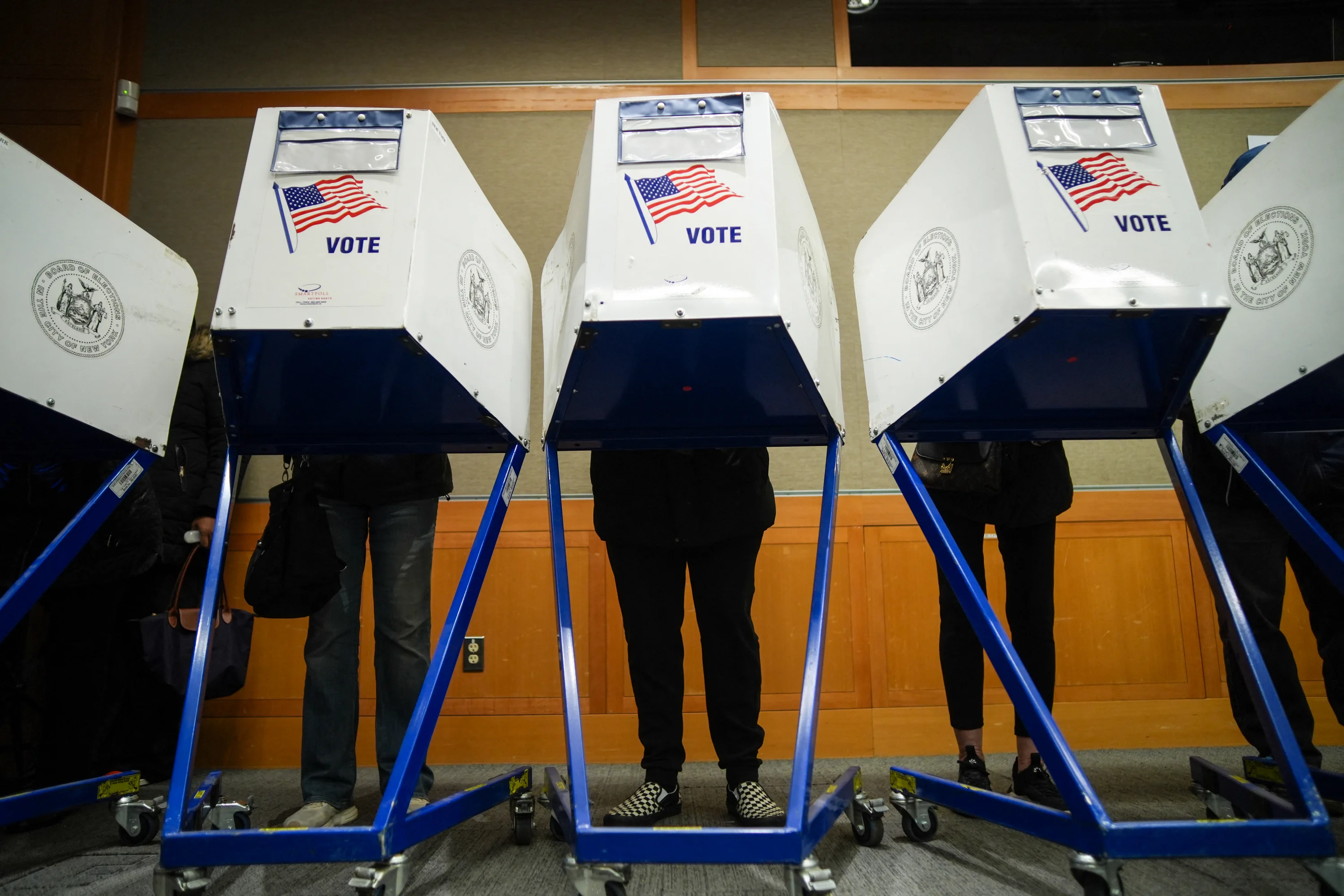 Photo: NPR
Americans vote on Tuesday, Nov. 3, in the 2026 midterm elections, which will determine control of Congress and the future of President Donald Trump's agenda. Voters will cast ballots for all 435 House seats and 35 Senate races, and candidates for governor are on the ballot in 39 states. Some high-profile ballot measures are also being decided, including California's proposed billionaire tax.
Midterms are held every four years, at the halfway point between presidential elections, and do not decide who sits in the White House. House members are elected by district, with seats allocated by population, so Wyoming has one seat while New Jersey has 12. J. Miles Coleman of the University of Virginia's Center for Politics has described midterms as often a referendum on the sitting president and party. Trump's approval ratings are currently at a record low, according to one report.
Left-leaning outlets NPR and CBS News treat the vote as an election-night event. NPR's piece points readers to four types of House races that will help explain how the midterms are unfolding as polls close and results arrive. CBS News leads with the stakes for Congress and Trump's agenda, then mostly lays out its "America Decides: Election 2026" broadcast, which starts at 7 p.m. ET, naming anchors Tony Dokoupil and Norah O'Donnell, Gayle King, Margaret Brennan, analyst Anthony Salvanto and a long list of correspondents. Neither excerpt mentions Trump's approval rating.
Right-leaning outlets had not reported this story at the time of writing, while left-leaning and alternative outlets had. The alternative outlet Deutsche Welle takes a different angle, writing as an explainer for an international audience. It describes how Congress and House districts work, cites an analyst on midterms as referendums, and features Trump's record-low approval, a detail absent from the left-leaning excerpts. Its headline also promises races to watch, a point it shares with NPR.
How the sides differ Left sources focus on election-night races and their own live coverage plans; alternative sources explain how midterms work and note Trump's low approval; right outlets had not covered it.
Headline, comparison and summary written by AI from the articles below. AI can make mistakes, so check the original articles before relying on a detail.
NPR previews House races to watch as results come in, while CBS News stresses the stakes for Congress and Trump's agenda and details its live broadcast lineup of anchors and correspondents.
Deutsche Welle explains how midterms work, how House seats are allocated, and why they matter, citing a University of Virginia analyst and noting President Trump's record-low approval ratings.
Not covering this story. None of the right-leaning outlets Crosswire tracks has reported it yet. What one side leaves out can be as telling as what the others report.