HHS Moves to Let Pharmacies Compound Six Unapproved Peptides Amid FDA Staff Opposition
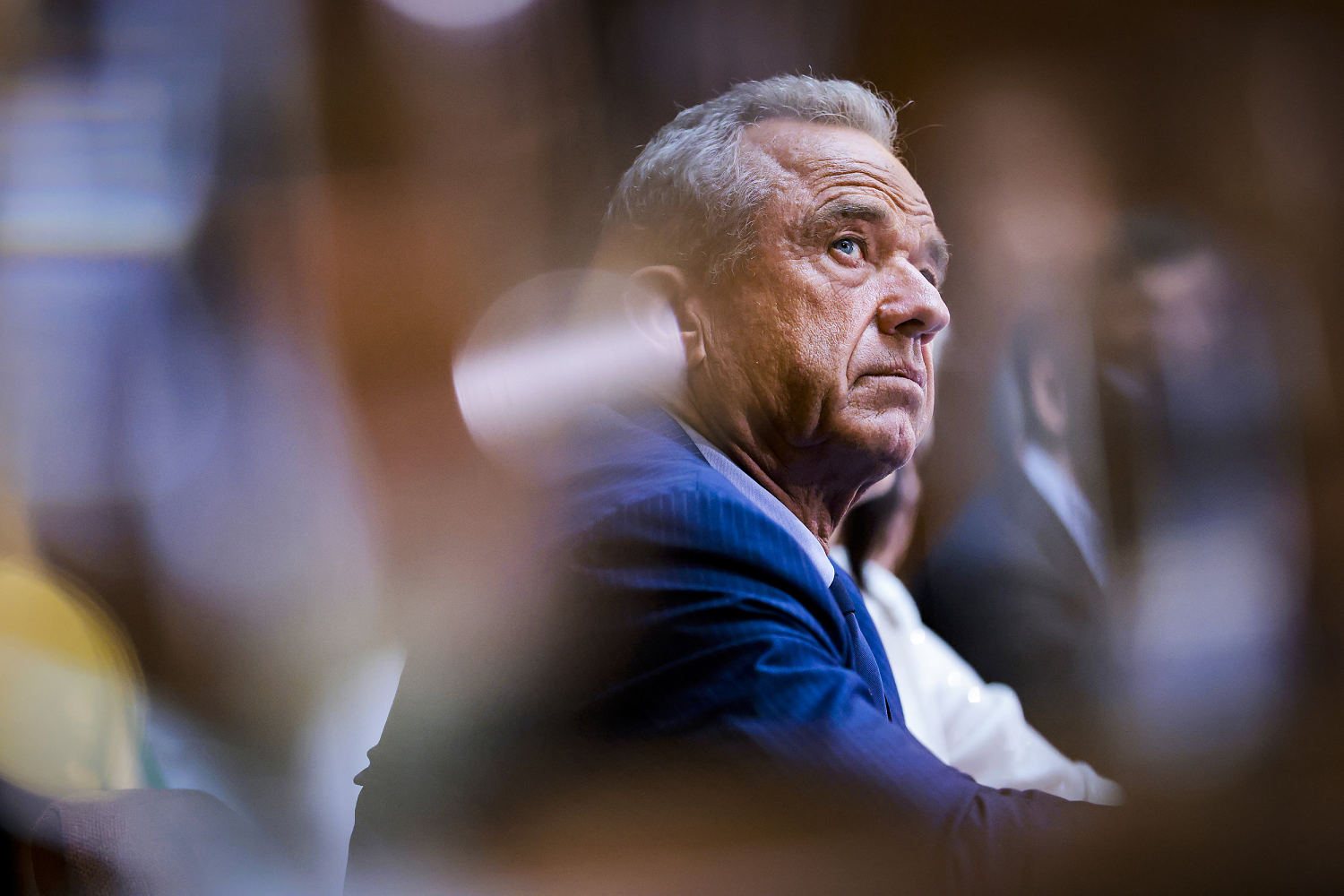 Photo: NBC News
The Department of Health and Human Services on Wednesday filed a draft policy, signed by Secretary Robert F. Kennedy Jr., that would let compounding pharmacies prepare six unapproved peptides: BPC-157, Epitalon, KPV, MOTS-c, Semax and TB-500. The notice uses "enforcement discretion," meaning HHS will not take action against licensed pharmacies or physicians that compound the substances, so pharmacies can start offering them before the formal rule change is finished. The government will take comments for two weeks before finalizing the measure. The peptides are promoted for healing, muscle building, energy and anti-aging, but the FDA has not approved any of them, and agency scientists found insufficient data on safety and effectiveness. Pharmacies must certify the identity and purity of the compounds and must now report side effects. Six people familiar with the process told The Associated Press that FDA scientific staff had little input and opposed the changes. In July, an FDA advisory panel voted to recommend allowing the six peptides in compounding.
Left-leaning CBS News and NBC News lead with the policy mechanics. CBS quotes Kennedy's line that limited compounding offers patients a "more controlled alternative," and explains what compounding and peptides are, including the FDA-approved examples insulin and GLP-1 drugs. NBC calls the move a "shortcut" and a temporary green light, and stresses the certification and new side-effect reporting duties. It also describes the "for research use only" gray market that Kennedy and others say compounding would counter. Neither excerpt leads with the internal FDA dissent. The right-leaning New York Post runs the AP report and leads with it: the administration eased access despite FDA opposition, and the anonymous sources said drug staff warned it could undermine the agency's mission. It also quotes Kennedy's finding that the change "advances patient choice and freedom." Both sides agree on the six peptides, the Wednesday filing and the lack of FDA approval; they differ in whether safeguards or staff opposition comes first. The alternative-side AP excerpt matches the Post's framing.
How the sides differ Left sources stress the safeguards, side-effect reporting and gray-market rationale; right and alternative sources lead with FDA staff opposition and Kennedy's patient-choice rationale, citing anonymous sources.
Headline, comparison and summary written by AI from the articles below. AI can make mistakes, so check the original articles before relying on a detail.
CBS and NBC lead with the draft policy, the six peptides and its safeguards, quoting Kennedy's 'controlled alternative' argument and the gray-market rationale, with less emphasis on FDA staff objections.
AP leads with the administration easing access to unproven peptides despite opposition from FDA scientists, citing six people familiar with the decision.
The New York Post, running the AP report, leads with FDA staff opposition and anonymous sources, and includes Kennedy's 'patient choice and freedom' rationale and the two-week comment period.