Federal judge rejects DOJ bid to set aside 20,000 California mail ballots; appeal filed
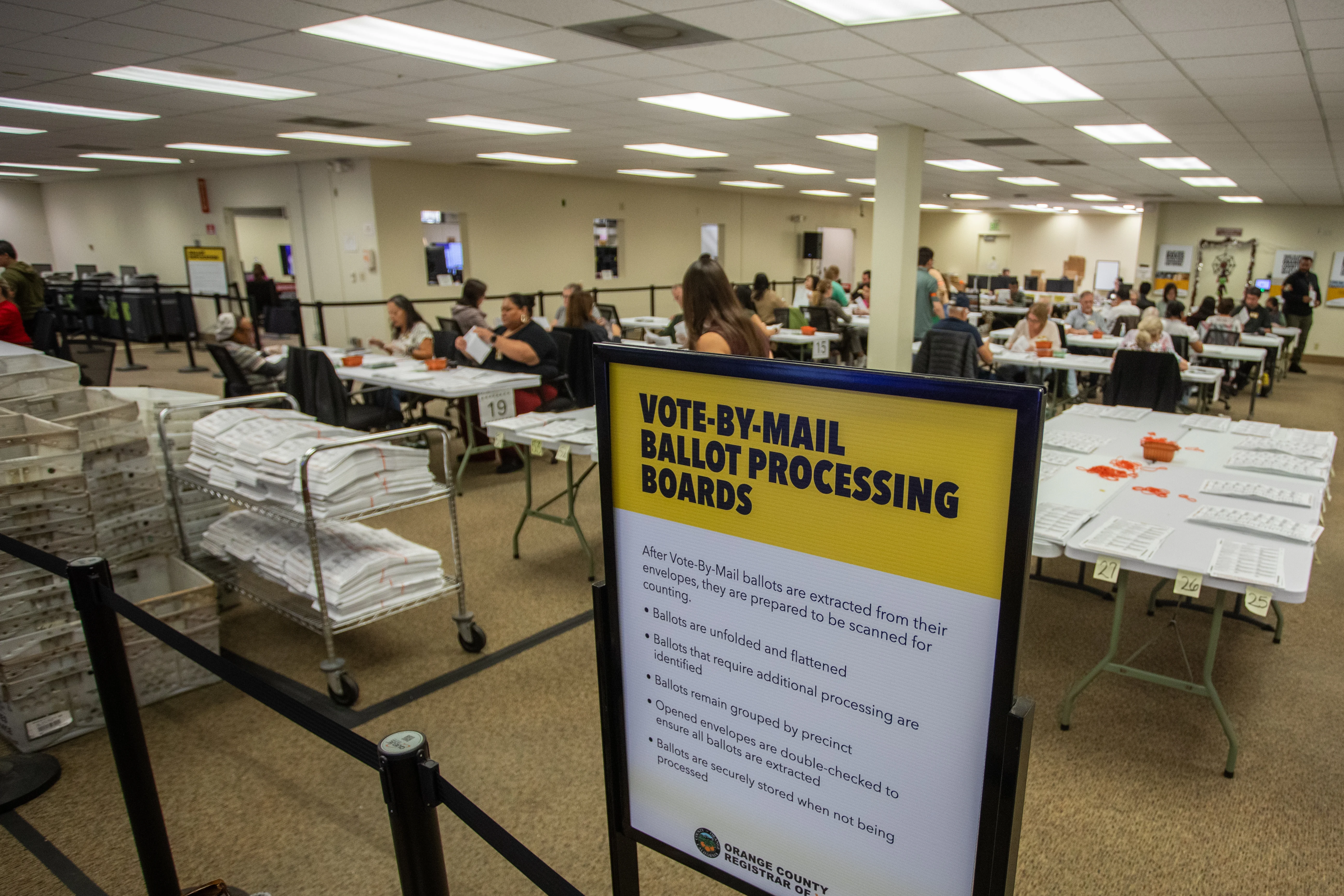 Photo: NPR
A federal judge in Los Angeles on Wednesday rejected the Trump administration's emergency request to make California set aside mail ballots tied to more than 20,000 people the Justice Department says are likely noncitizens, less than a week before the Nov. 3 midterm elections. U.S. District Judge David Carter, a Clinton appointee, ruled that California can keep processing the ballots under its existing procedures. In a 26-page decision he said the request violated longstanding constitutional principles giving states control of their elections, and that California and its people are sovereign too. He wrote that segregating votes causes lasting harm and that over 20,000 registered Californians could lose their right to vote. Bill Essayli, the top federal prosecutor in Los Angeles, said Wednesday evening that the department had filed a notice of appeal and would seek emergency relief from the 9th U.S. Circuit Court of Appeals, and could go on to the Supreme Court. The ruling follows a Monday decision in which a divided appeals panel dismissed an earlier emergency appeal on procedural grounds because Carter had not yet ruled. On Tuesday Carter had said he was considering appointing a special master to evaluate the government's claims.
The right-leaning New York Post and Washington Examiner lead with the Justice Department's next step. The Post's headline stresses an immediate appeal and quotes Essayli's argument that unsegregated ballots dilute citizens' votes. It also quotes Carter's line that eroded trust is irreparable. The Examiner stresses the denial, notes Carter's Clinton appointment, says the DOJ did not comment, and adds the earlier procedural loss and a possible Supreme Court bid. The left-leaning NPR and CBS News center on the judge's reasoning. CBS quotes his warning that the government acted on the eve of an election and that either party could create chaos. Both call it a setback for the administration, with NPR noting the case will likely be appealed. Both sides report the same ruling and quote Carter's sovereignty line. They differ mainly in whose voice leads: Essayli on the right, Carter on the left.
How the sides differ Right sources stress the DOJ's immediate appeal and its dilution claim; left sources emphasize the judge's constitutional reasoning on state authority and the case's wider setbacks for the administration.
Headline, comparison and summary written by AI from the articles below. AI can make mistakes, so check the original articles before relying on a detail.
NPR and CBS News lead with the judge's rejection, quoting Carter's constitutional reasoning on state sovereignty and election chaos, and describe it as a setback for the administration. NPR notes the case will likely be appealed.
AP reports that Carter was considering a special master to evaluate the noncitizen claims, while The Hill reports another defeat for the DOJ, as Carter ruled California can keep accepting the questioned ballots.
- Washington ExaminerJudge denies DOJ effort to isolate 20,000 California mail ballots
The New York Post leads with the DOJ's immediate appeal and Essayli's claim that ongoing processing dilutes citizens' votes. The Washington Examiner stresses the denial, Carter's appointment by Clinton, the earlier procedural loss and a possible Supreme Court bid.