London's Oxford Street Goes Traffic-Free as Part of £150m Revitalisation Scheme
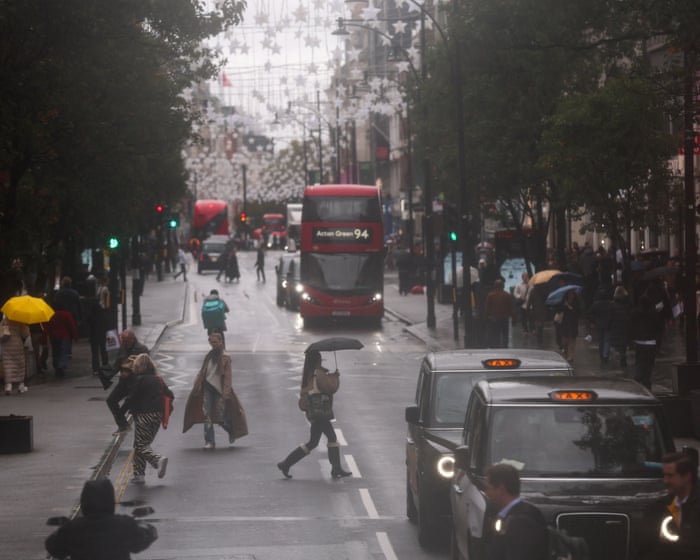 Photo: The Guardian
About half of London's Oxford Street, Britain's busiest shopping thoroughfare, went permanently traffic-free on Monday, 26 October, in a £150m government-backed pedestrianisation scheme. The closed stretch covers roughly half of the 1.2-mile street. Motorised traffic, including buses and black cabs, is now barred, along with bicycles. Private cars had already been kept off the street for years. The aim is to revitalise the area and create a new public space to boost the local economy. The change follows decades of planning and dispute over how best to use the street, which is an important transport route and home to flagship stores of big retail chains. Mayor Sadiq Khan has pursued the switch as part of his clean air plans, and central government backing allowed it to proceed over objections from the local council. The street draws millions of foreign visitors each year. London has studied the pedestrianisation of central Sydney and discussed the plan with Barcelona, whose La Rambla faces similar complaints.
The left-leaning Guardian treats the story as a practical explainer, asking how the scheme will work and walking readers through what changes and when. It presents the closure as a political victory for Khan, notes the central government override of council objections, and points to the global interest of city planners, citing Sydney and Barcelona. The right-leaning Washington Times leads with the ban on cars, buses and bicycles, then frames it as an attempt to revive a once-grand district whose appeal has dimmed because of souvenir shops and candy sellers. In the material available, it does not mention Khan, the cost or the council dispute. Both sides agree on the Monday start, the barring of buses and the goal of revival. They differ in that the Guardian stresses governance and planning, while the Times stresses the street's decline. Reuters, the alternative source, echoes the economic-revival framing in a short clause.
How the sides differ Left sources stress how the scheme works, its politics and its global interest; right sources focus on the street's decline and the effort to revive it.
Headline, comparison and summary written by AI from the articles below. AI can make mistakes, so check the original articles before relying on a detail.
The Guardian explains how the pedestrianisation will work in practice, featuring Mayor Sadiq Khan's political win, the £150m cost, central government overriding the council, and interest from planners in Sydney and Barcelona.
Reuters reports that part of Oxford Street went permanently traffic-free on Monday, to revitalise the area and create a public space that boosts the economy.
The Washington Times leads with the ban on cars, buses and bicycles and frames it as an effort to revive a shopping district dimmed by souvenir shops and candy sellers.