Oil Prices Swing Tuesday as Middle East Tensions and Hopes for Diplomacy Pull Markets Both Ways
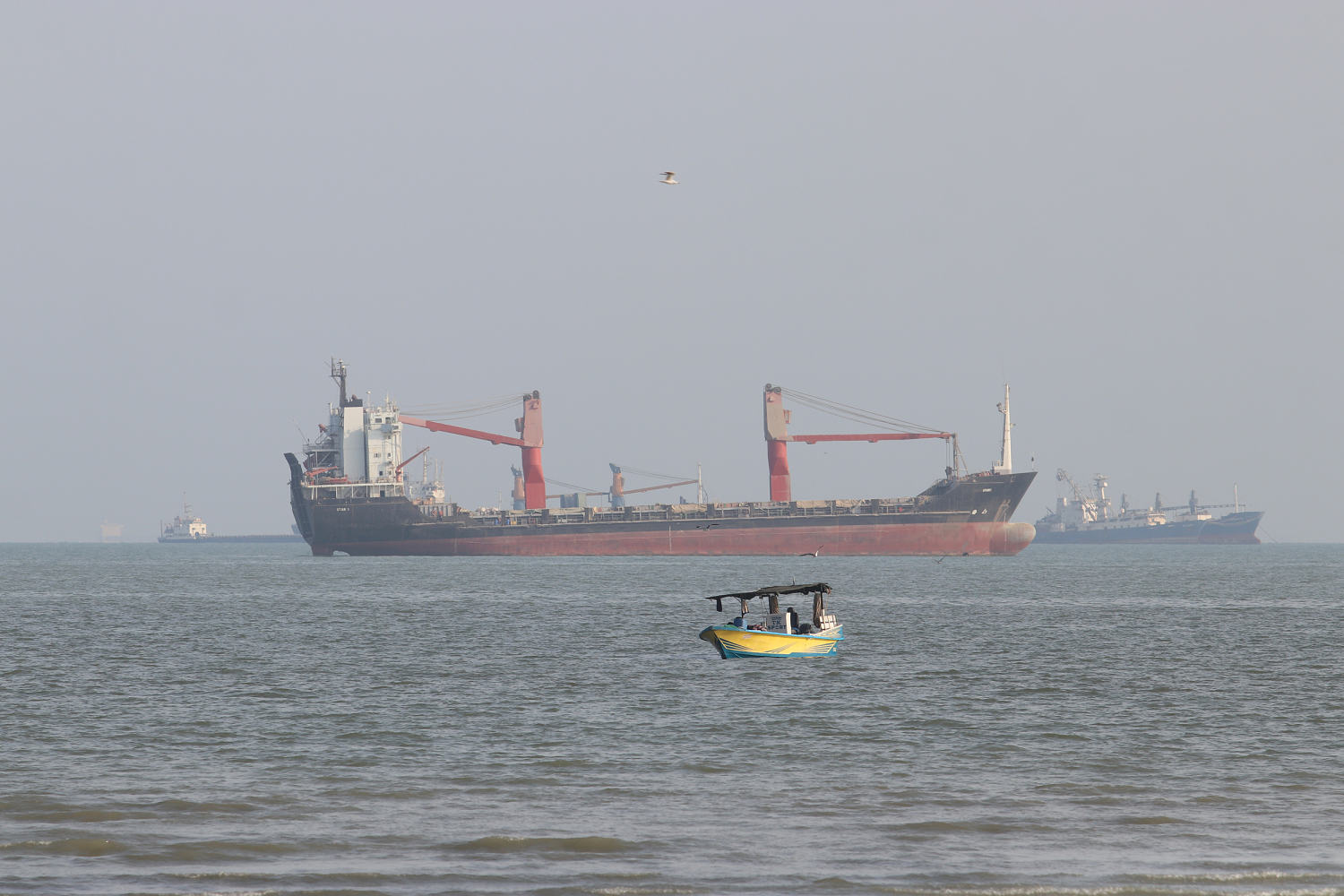 Photo: NBC News
Oil prices swung on Tuesday, with crude reaching a five-month high in early trading before reversing its gains, as the conflict in the Middle East continued. Attacks on commercial ships passing through the Strait of Hormuz have escalated in recent weeks, and energy markets are adjusting to what is described as a new normal in the region. Traders voiced hope for diplomatic progress, and prices fell. The earlier rise raised the prospect of higher gasoline costs two weeks before the midterm elections. Uncertainty over the region persists.
All three sides tie Tuesday's oil moves to the Middle East, but they lead with different parts of the day's trading. The alternative source, CNBC, emphasizes falling prices, traders' hopes for diplomacy and the escalating attacks on ships near Hormuz. Left-leaning NBC News leads with the early surge and its possible effect on gas prices ahead of the midterms. Right-leaning New York Post highlights the five-month high and the reversal, describing a conflict that continues to simmer. None of the excerpts quotes named officials or analysts.
How the sides differ Alternative sources stress falling prices on diplomacy hopes; left sources stress a surge and gas costs before midterms; right sources stress a five-month high that reversed.
Headline, comparison and summary written by AI from the articles below. AI can make mistakes, so check the original articles before relying on a detail.
NBC News leads with a price surge in early trading and what it could mean for gas costs two weeks before the midterms, describing a new normal in the Middle East.
CNBC leads with prices falling as traders hope for diplomatic progress, and notes that attacks on ships in the Strait of Hormuz have escalated in recent weeks.
The New York Post leads with oil reaching a five-month high before reversing gains, framing the move as part of persistent Middle East uncertainty and a simmering conflict.